Shopping Cart
Cart items
Shopping Cart
Cart items
Your Wishlist
Wishlist Items
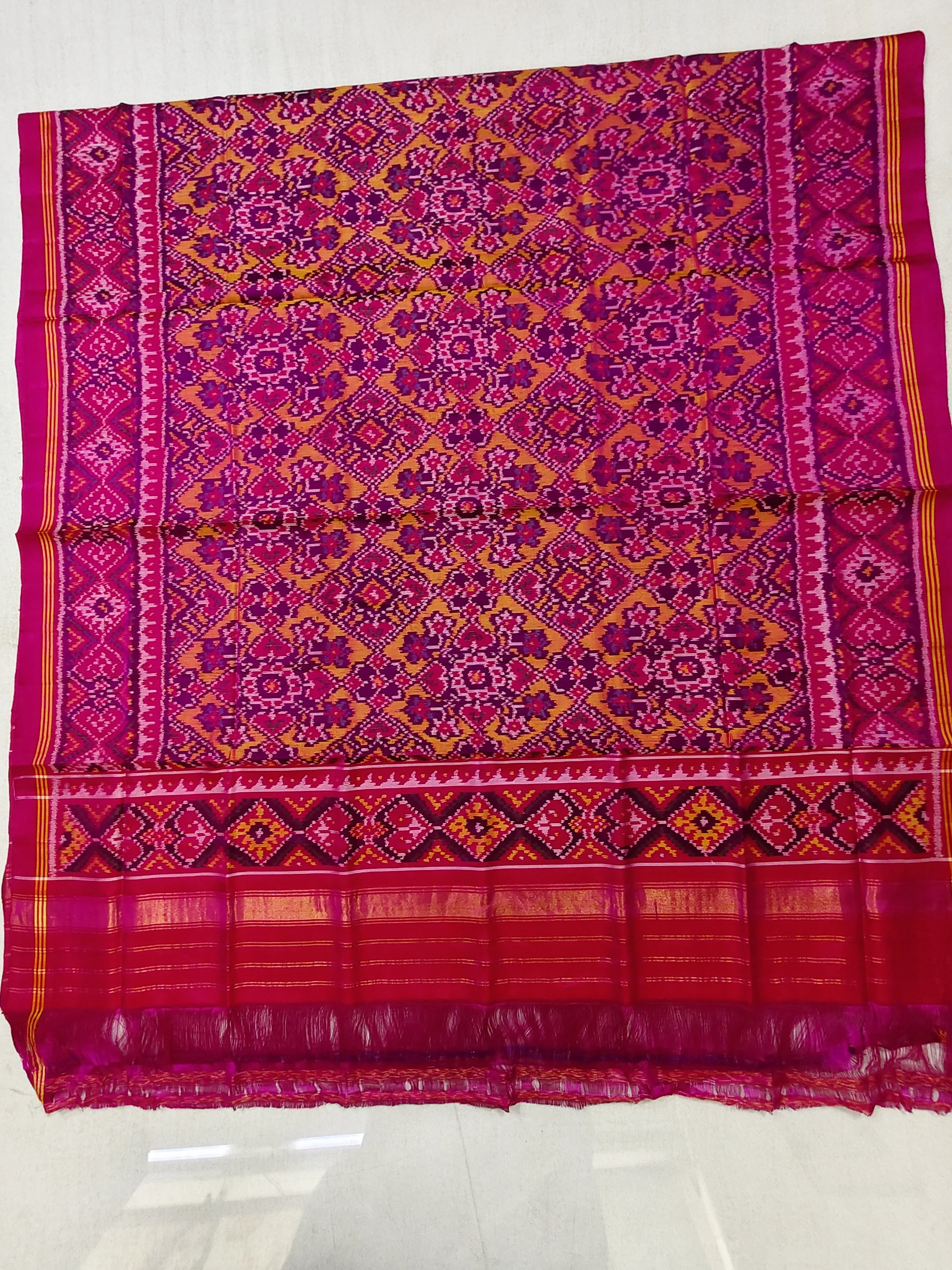
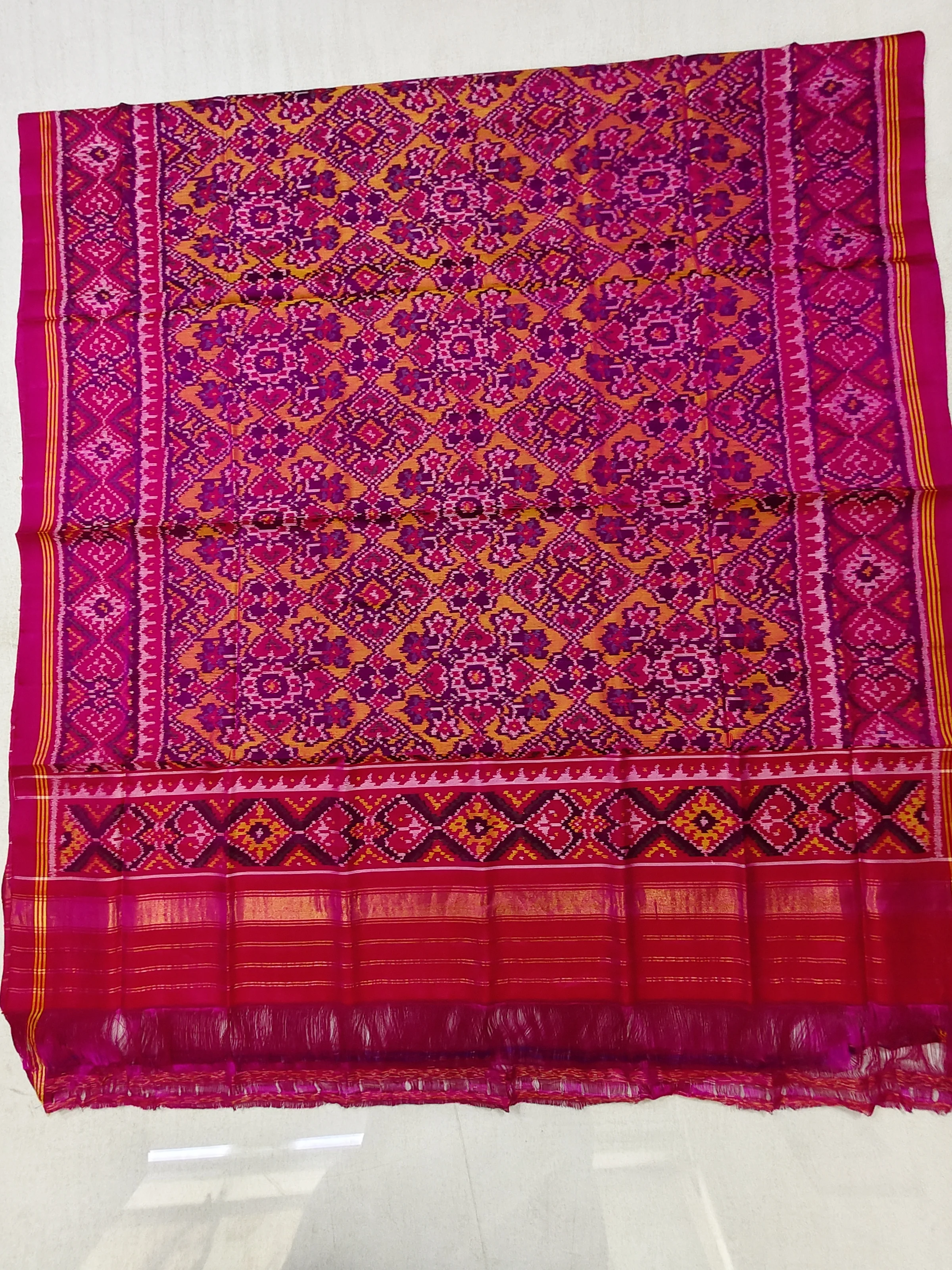
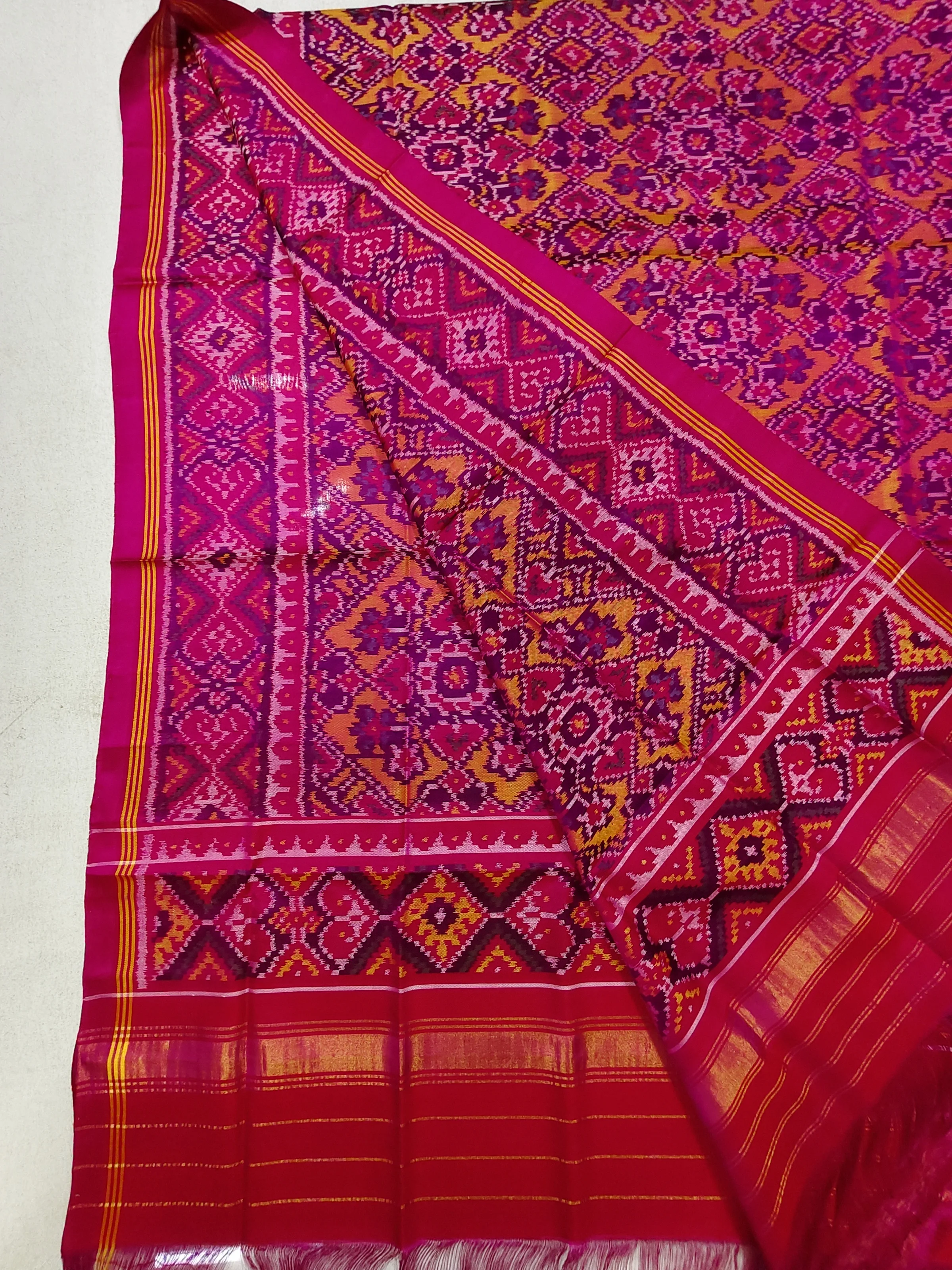
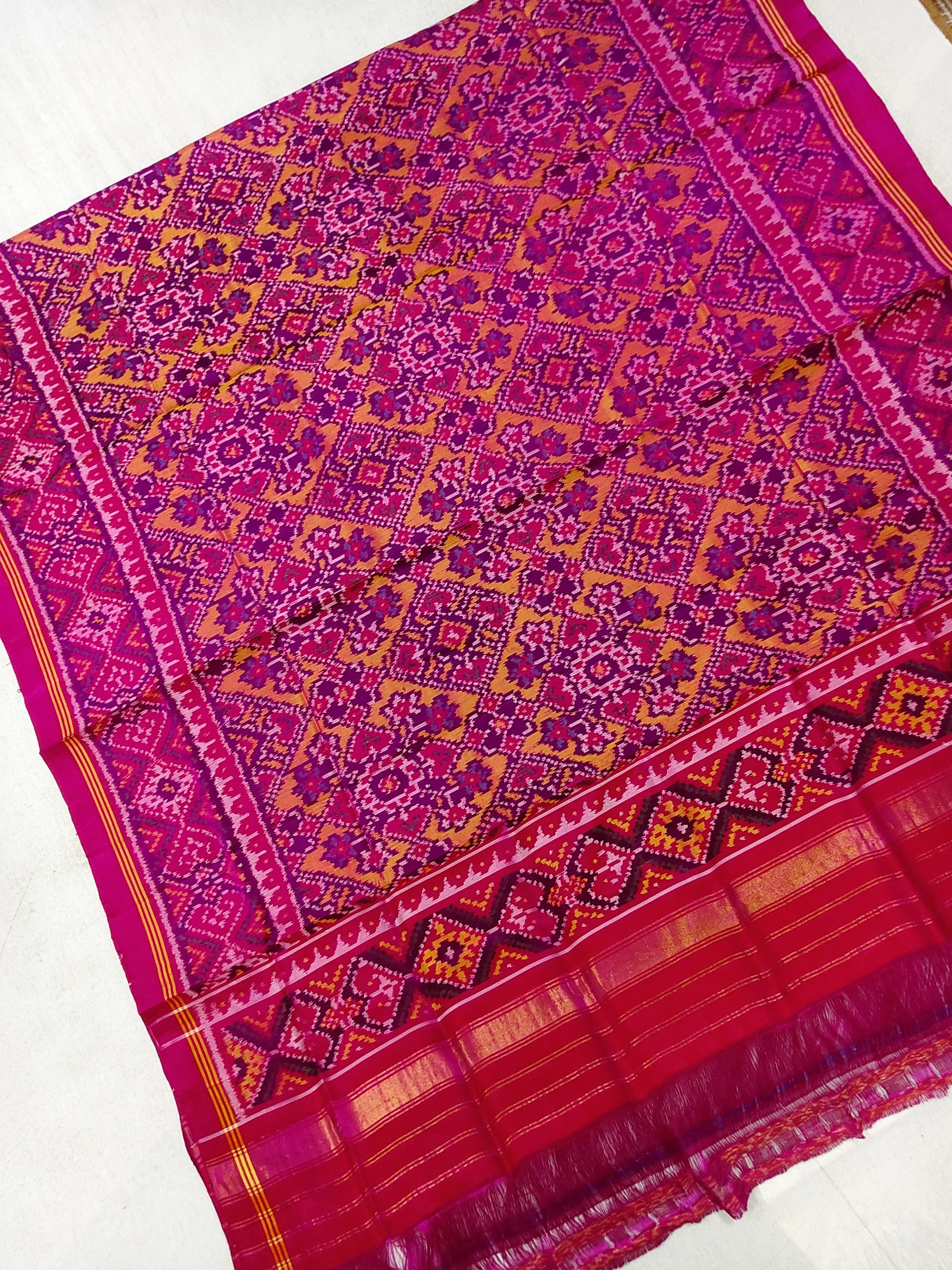
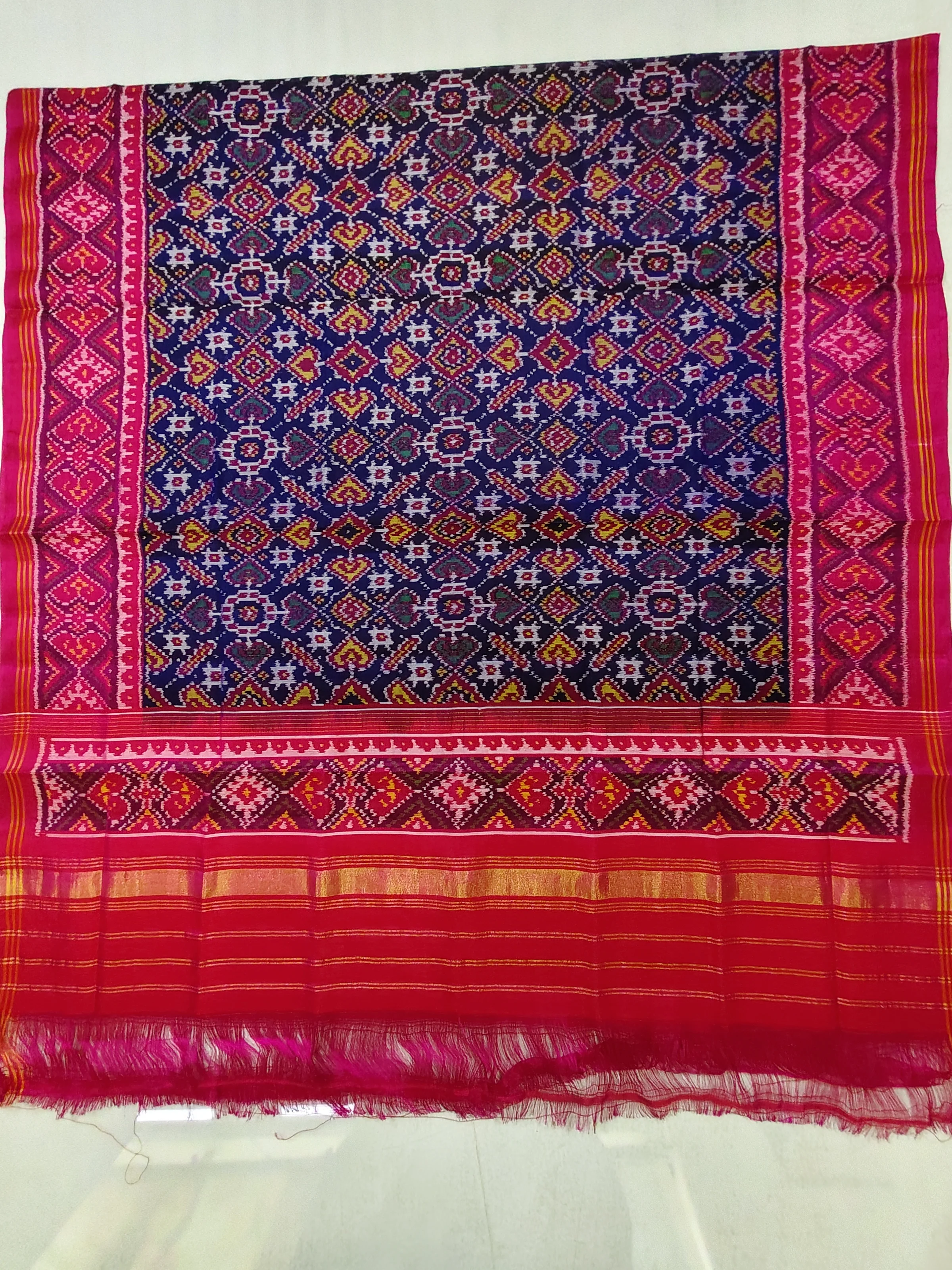
Fusion Dupatta – Pink | Selari Border | Navratan Manekchowk Mix | Chaniya Choli
A vibrant fusion dupatta in a rich pink tone, featuring a traditional Selari border combined with a Navratan Manekchowk motif layout. Designed for Chaniya Choli, the composition blends structured geometry with symbolic traditional elements.
The Manekchowk grid provides a clear and balanced framework, while Navratan motifs add cultural depth. The Selari border completes the design with a defined traditional edge.
Crafted to balance heritage with modern styling, this fusion dupatta offers versatility while maintaining a strong traditional identity.
Balanced. Vibrant. Contemporary-Traditional.
Designed for global buyers who value a mix of authenticity and modern expression in festive wear.
Fusion Dupatta – Pink | Selari Border | Navratan Manekchowk Mix | Chaniya Choli
A vibrant fusion dupatta in a rich pink tone, featuring a traditional Selari border combined with a Navratan Manekchowk motif layout. Designed for Chaniya Choli, the composition blends structured geometry with symbolic traditional elements.
The Manekchowk grid provides a clear and balanced framework, while Navratan motifs add cultural depth. The Selari border completes the design with a defined traditional edge.
Crafted to balance heritage with modern styling, this fusion dupatta offers versatility while maintaining a strong traditional identity.
Balanced. Vibrant. Contemporary-Traditional.
Designed for global buyers who value a mix of authenticity and modern expression in festive wear.

At Aadesh Patola House, tradition meets excellence. Founded in 1969 in the village of Somasar, Surendranagar, we are dedicated to preserving the sacred art of Patola weaving. Under the guidance of Shri Vitthalbhai Govindbhai Vaghela, every saree we create is a testament to precision, patience, and purity. Our work is handcrafted by skilled artisans, not machines, and each thread carries the legacy of our land and people.